Cataract surgery is one of the most successful eye procedures worldwide. At the Munich Center for Eye Surgery, cataract surgery is performed using micro-incision techniques, femto-laser assistance, AI-based planning tools and next-generation intraocular lenses for international patients.
- Modern phacoemulsification and femto-laser cataract surgery
- AI-supported biometry and digital navigation systems
- Monofocal, multifocal, toric and EDOF premium lenses
- Fast outpatient procedure and structured aftercare
- Dedicated support for international patients in English and Russian
Quick Facts
- Procedure time: usually 10–20 minutes per eye
- Outpatient surgery with local anaesthesia
- Most patients see clearly within days
- Success rates above 98–99%
- Lens choice tailored to lifestyle and visual needs
What is a cataract?
A cataract is a progressive clouding of the eye’s natural lens. Over time, the lens becomes less transparent and light can no longer pass through clearly. Patients notice blurred or foggy vision, glare from headlights, halos around lights, and difficulty reading or driving at night.
Eye drops and medication cannot reverse cataract. When vision starts to interfere with daily life, cataract surgery – removal of the cloudy lens and implantation of a clear artificial lens – becomes the only effective treatment.
Why choose cataract surgery in Germany?
Germany is recognised as a leading destination for cataract surgery because of strict quality standards, highly experienced surgeons and access to modern technology.
- High surgical volume. Many surgeons perform thousands of cataract procedures each year, which increases precision and safety.
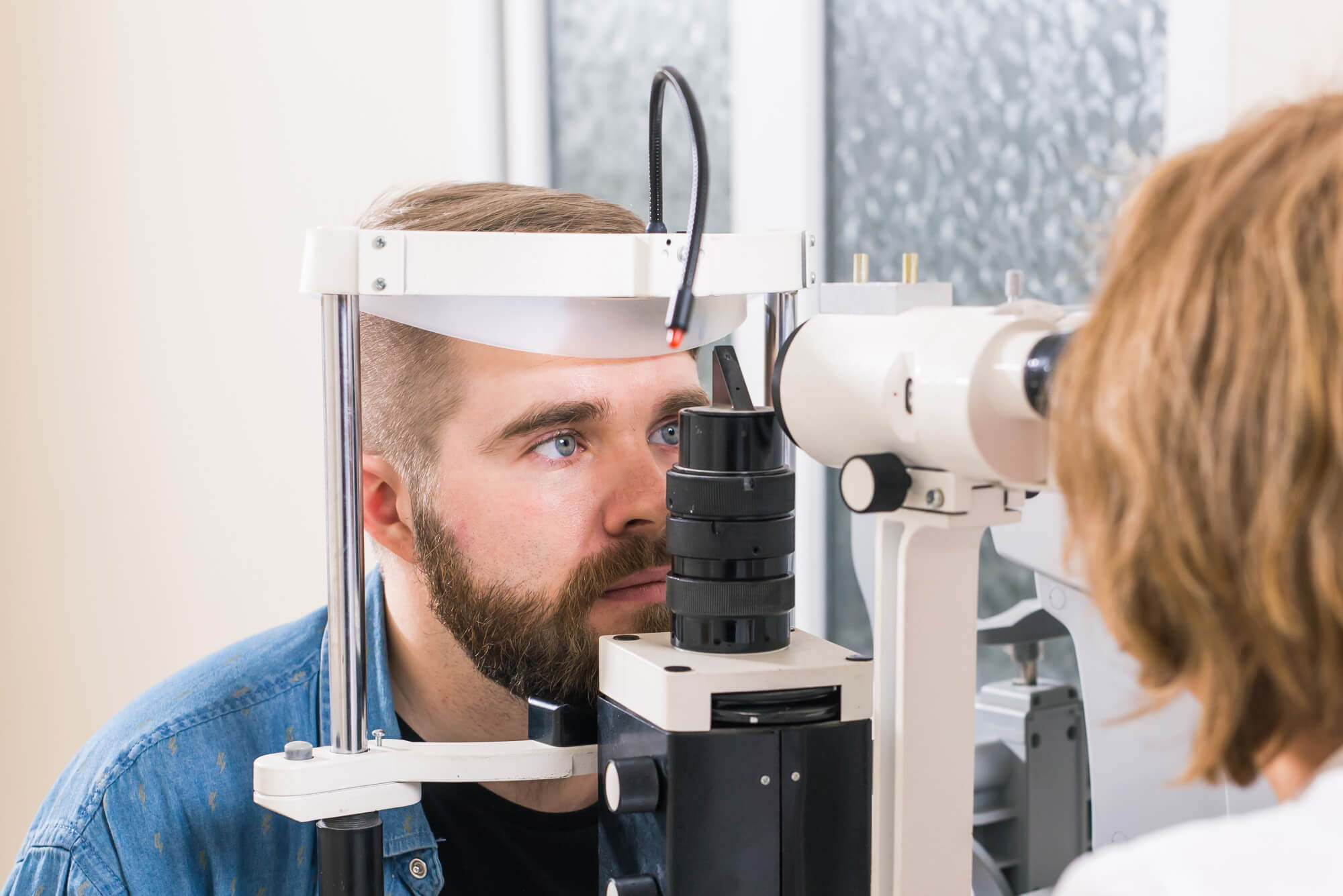
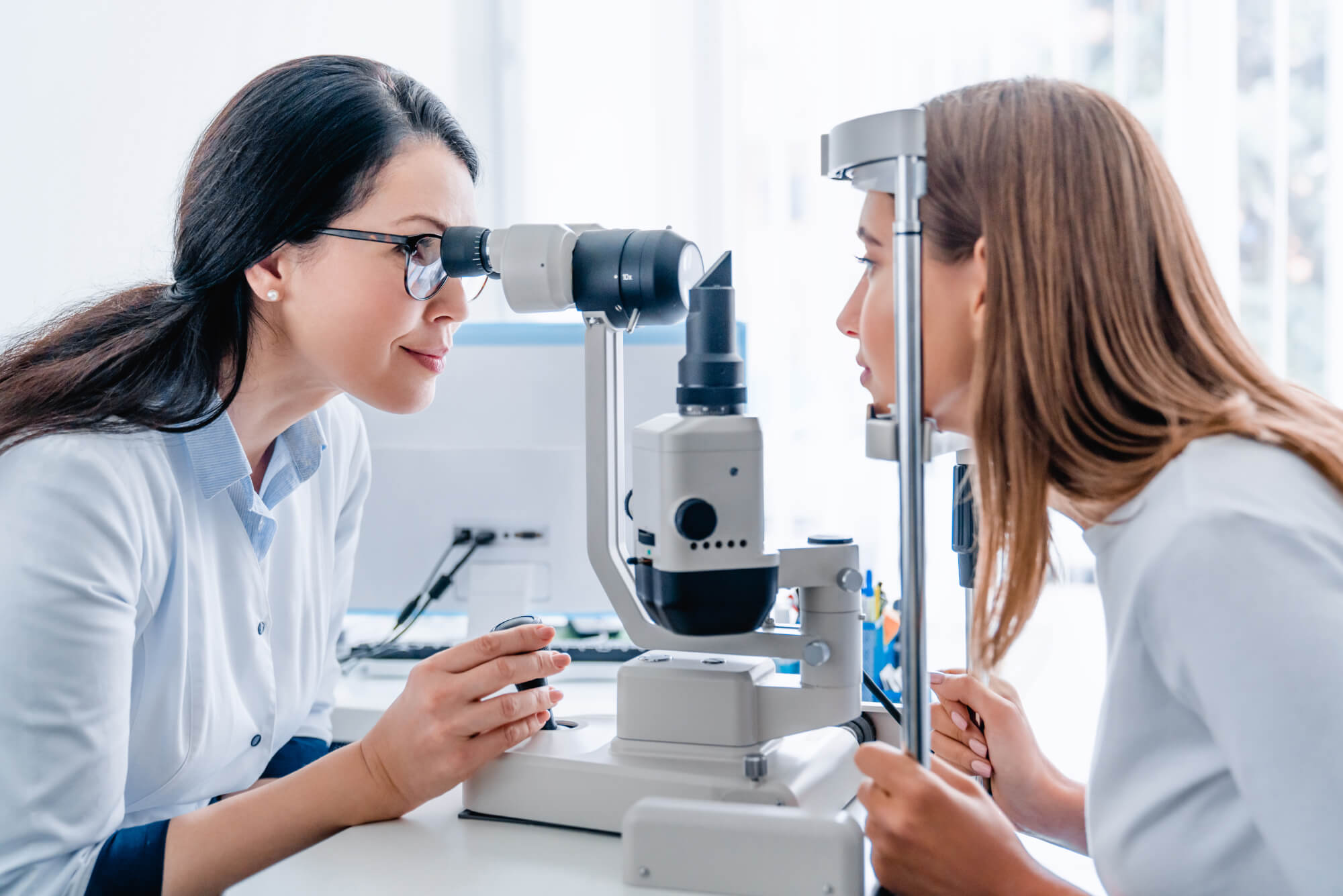
- Advanced diagnostics. Pre-operative workup includes optical biometry, corneal topography, retinal OCT and contrast sensitivity testing.
- Modern technology. Micro-incision phacoemulsification and femto-laser assisted cataract surgery are widely available.
- Premium intraocular lenses. Patients can choose monofocal, multifocal, toric and extended depth of focus lenses tailored to their lifestyle.
- International patient care. Clinics in Munich are experienced in treating patients from Europe, the Middle East and the CIS region.
When is cataract surgery recommended?
There is no universal “right” stage for cataract surgery. The decision is made together with your surgeon based on visual symptoms and eye health.
Typical indications include:
- Blurred vision affecting work, reading or daily activities
- Glare and halos from headlights, especially while driving at night
- Frequent changes in glasses prescription without satisfactory vision
- Large difference in vision between both eyes
- Cataract preventing proper examination of the retina in diabetics or patients with macular disease
- Advanced cataract threatening to raise intraocular pressure
Types of cataract surgery in Germany
Two main surgical techniques are offered at the Munich Center for Eye Surgery: standard phacoemulsification and femto-laser assisted cataract surgery.
Standard phacoemulsification
Phacoemulsification is considered the gold standard of cataract surgery. Through a micro-incision of around 2–2.4 mm, an ultrasonic probe emulsifies the cloudy lens, which is then removed and replaced with a foldable intraocular lens.
Advantages:
- Small incision with fast healing
- No stitches in most cases
- High predictability of visual outcomes
- Suitable for the majority of cataract patients
Femto-laser assisted cataract surgery (FLACS)
Femto-laser assisted cataract surgery uses a femtosecond laser to perform several critical steps: creating corneal incisions, opening the lens capsule and pre-fragmenting the cataract. The remaining fragments are removed by phacoemulsification.
Benefits:
- Highly precise and perfectly centred incisions
- More predictable lens positioning
- Reduced ultrasound energy inside the eye
- Particularly helpful for complex cases and premium lens implantation
Comparison of main techniques
| Method | Technology | Best suited for |
|---|---|---|
| Standard phacoemulsification | Ultrasound through a 2–2.4 mm incision | Most patients with uncomplicated cataract |
| Femto-laser assisted surgery | Laser steps + phacoemulsification | Complex eyes, premium lenses, very high accuracy demands |
New and emerging methods in cataract surgery (2024–2025)
Cataract treatment is evolving quickly. In Germany, several next-generation technologies are now available, helping surgeons achieve even higher precision, safety and refractive accuracy. The Munich Center for Eye Surgery integrates these innovations into daily practice where appropriate.
AI-based biometry and lens power calculation
Artificial intelligence supports the calculation of intraocular lens power by analysing corneal shape and predicting the effective lens position more precisely. Advanced formulas and AI tools improve outcomes in patients with previous LASIK or PRK, high myopia or hyperopia and unusual eye anatomy.
Digital navigation and guidance systems
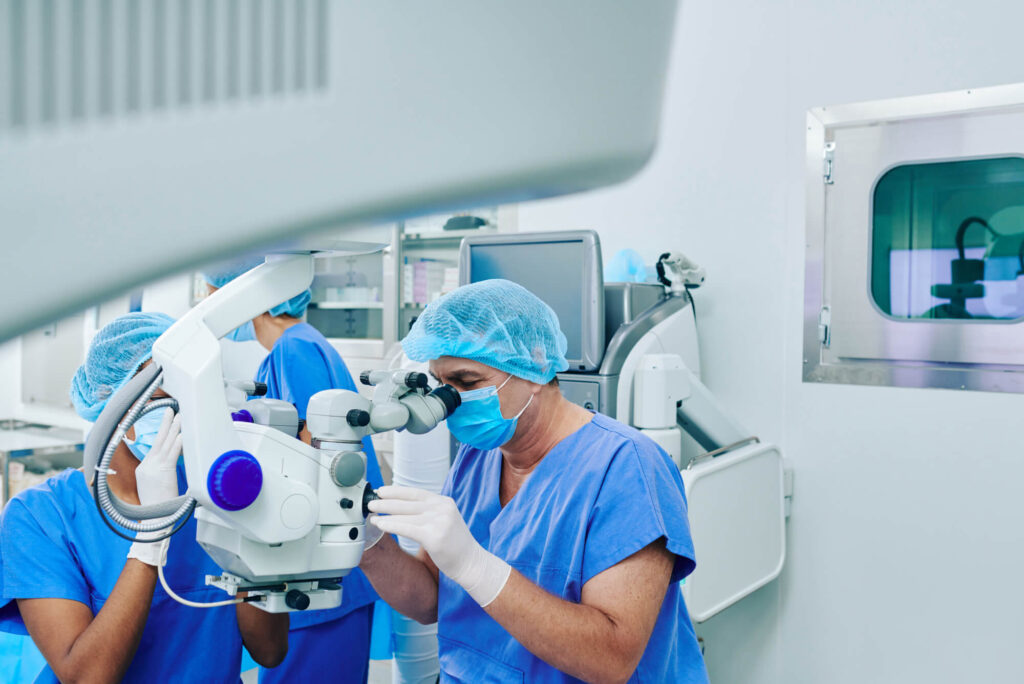
Digital systems create a real-time overlay in the surgical microscope. They assist the surgeon in aligning toric lenses with sub-degree accuracy, centring multifocal and EDOF lenses and compensating for eye rotation. This improves distance vision and reduces halos for patients with astigmatism or premium lenses.
Next-generation EDOF and premium lenses
New extended depth of focus lenses and refined multifocal designs provide a broader range of clear vision with fewer visual disturbances than older multifocal IOLs. These lenses offer excellent distance and intermediate vision, and in many cases good reading performance with reduced halos.
Third-generation low-energy femto-laser platforms
New femto-laser systems use low-energy pulses at high repetition rates. This results in smoother incisions, less energy transfer to the eye and improved safety for dense cataracts. Patients benefit from faster recovery and more stable visual outcomes.
Hybrid micro-incision cataract surgery (H-MICS)
Hybrid micro-incision techniques combine very small incisions with optimised fluidics. The goal is to minimise surgical trauma, reduce induced astigmatism and support rapid rehabilitation. This approach is particularly attractive for active patients and those considering bilateral surgery in a short timeframe.
Light adjustable lenses (LAL)
Light adjustable lenses allow fine-tuning of lens power after surgery. The lens is adjusted using controlled UV light exposures during several post-operative sessions. This technology is especially useful for patients with very high expectations or complex refractive histories.
Combined cataract surgery with MIGS for early glaucoma
For patients with early glaucoma, cataract surgery can be combined with minimally invasive glaucoma surgery (MIGS), such as micro-stents or goniotomy procedures. This approach can reduce intraocular pressure and lessen the need for glaucoma drops after surgery.
Intraoperative OCT (iOCT)
Intraoperative optical coherence tomography provides cross-sectional images of the eye during surgery. It helps the surgeon evaluate the cornea, capsule and retina in real time, adding another layer of safety in challenging eyes and complex cases.
Lens options (IOLs)
The choice of intraocular lens is central to cataract surgery planning. In Germany, a wide range of IOLs is available.
- Monofocal IOL. Provides clear distance vision. Reading glasses are usually required.
- Multifocal IOL. Offers distance and near focus, reducing dependence on glasses.
- Extended depth of focus (EDOF) IOL. Delivers excellent distance and intermediate vision with fewer halos.
- Toric IOL. Corrects corneal astigmatism, significantly improving visual quality.
- Premium combined IOLs. Combine multifocal or EDOF optics with toric correction for patients with astigmatism.
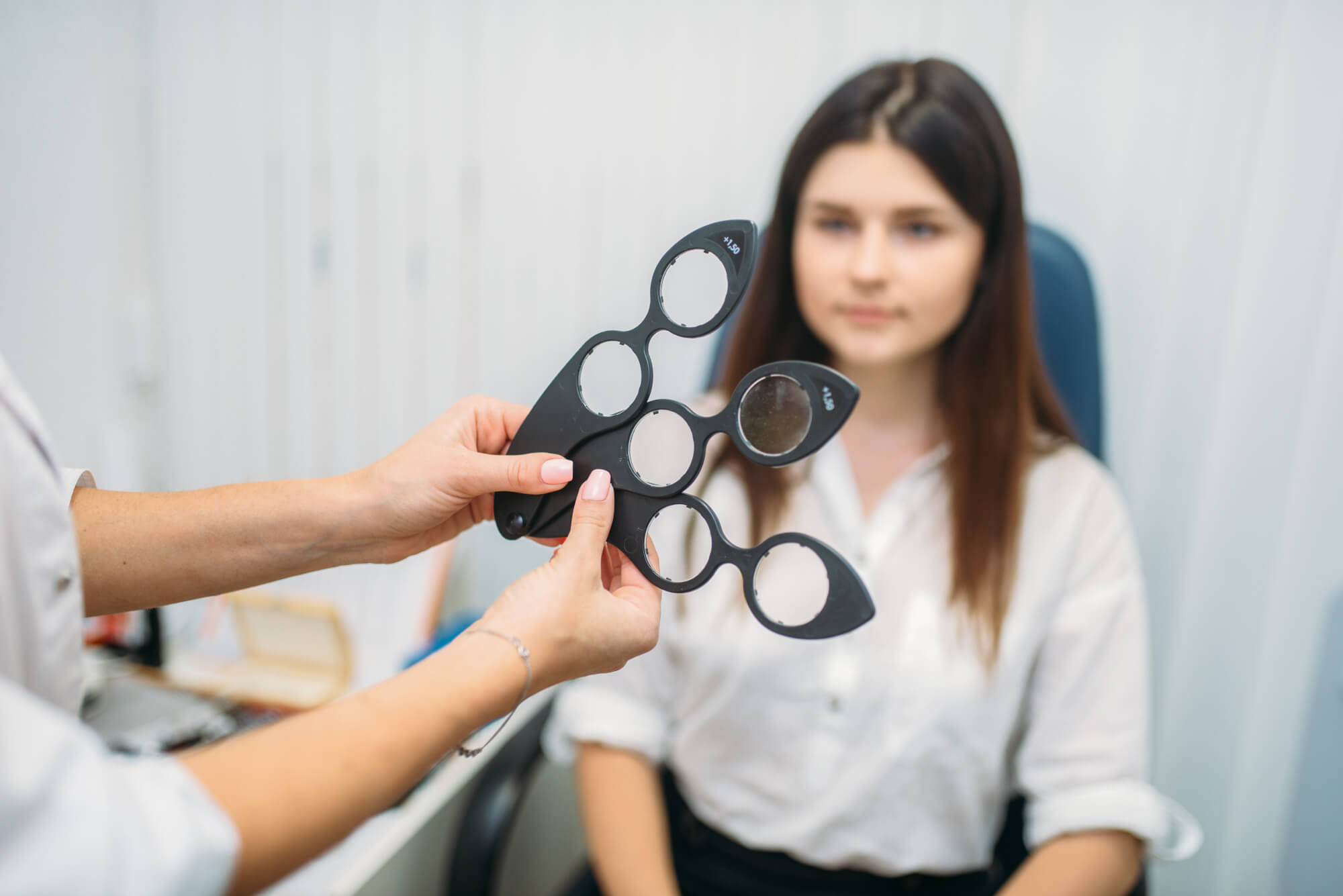
At the Munich Center for Eye Surgery, your surgeon will discuss your occupation, hobbies and visual priorities to recommend the most suitable lens type.
Step-by-step: how cataract surgery is performed
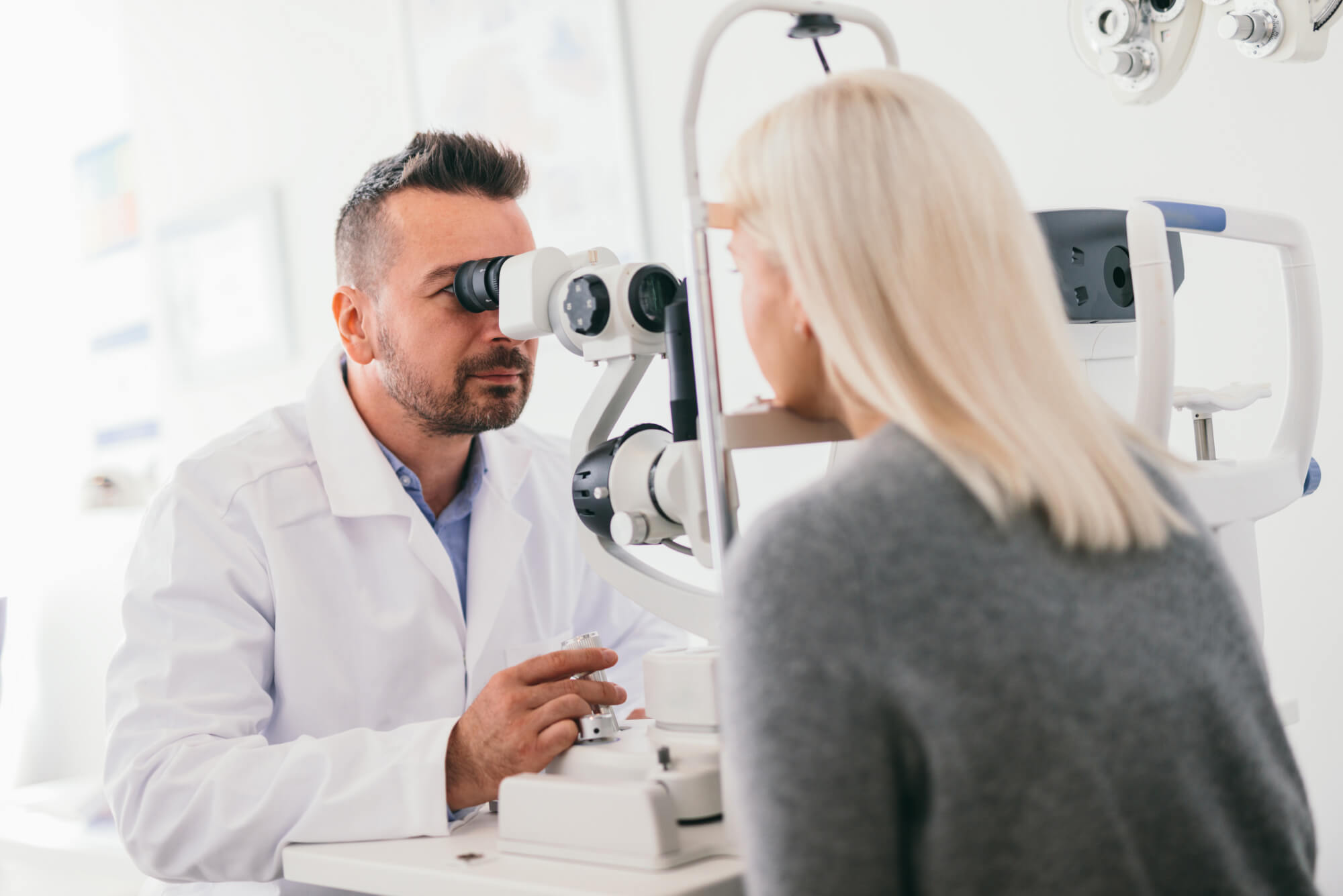
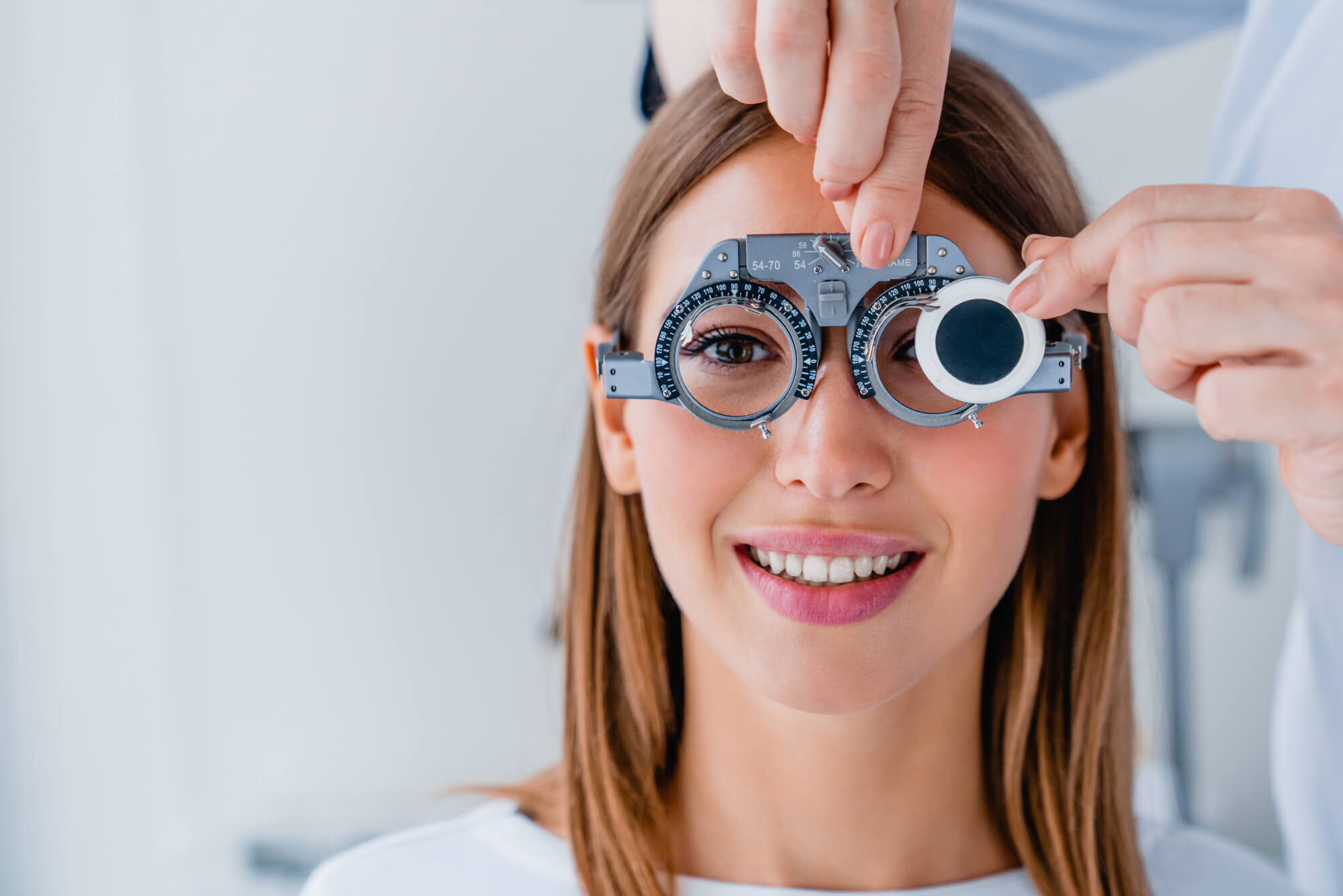
- Pre-operative examination. Detailed diagnostics, including visual acuity testing, intraocular pressure, lens and retina evaluation, optical biometry and corneal analysis.
- Treatment planning. Choice of technique (standard or femto-laser assisted), selection of IOL type and discussion of expected results.
- Day of surgery. Local anaesthesia with or without sedation. The surgery itself usually takes 10–20 minutes per eye.
- Immediate aftercare. Short stay in the clinic for observation. The eye is protected with a shield, and the patient receives written instructions and eye drops.
- Follow-up visits. Typically scheduled for the next day, then after one week and after four to six weeks.
Recovery and aftercare
Many patients notice a significant improvement in vision within 24 hours. Complete stabilisation usually takes several weeks.
General recommendations after cataract surgery:
- Use the prescribed eye drops exactly as instructed
- Avoid rubbing or pressing on the eye
- Avoid swimming pools and saunas for the first 1–2 weeks
- Refrain from heavy lifting and intense sports for several days
- Attend all scheduled follow-up appointments
Risks and possible complications
Cataract surgery is considered very safe, but every surgical procedure carries some risk.
- Posterior capsule opacity (PCO), often treatable with a simple YAG laser procedure
- Temporary elevation of intraocular pressure
- Inflammation or infection (rare)
- Retinal swelling (cystoid macular oedema)
- Lens decentration, more common with multifocal or toric lenses
German clinics maintain very low complication rates thanks to strict protocols and quality control.
Costs of cataract surgery in Germany
Final costs depend on the chosen technique, lens type and individual eye condition. The following ranges provide general orientation for private patients.
Diagnostics
Complete pre-operative examination: approximately €250–450.
Cataract surgery per eye
| Option | Approximate price |
|---|---|
| Standard phacoemulsification with monofocal IOL | around €2,500–3,500 per eye |
| Femto-laser cataract surgery with monofocal IOL | approximately €3,200–4,500 per eye |
| Cataract surgery with premium multifocal or toric IOL | approximately €3,800–6,500 per eye |
Follow-up care
Post-operative visits and additional tests in the first weeks usually amount to €200–500, depending on the number of appointments and any additional imaging.
Why Munich Center for Eye Surgery
The Munich Center for Eye Surgery combines high surgical expertise, modern equipment and individual patient care.
- Surgeons with 15–25 years of experience in cataract and lens surgery
- Femto-laser technology, AI-based planning tools and digital navigation
- Full spectrum of monofocal, multifocal, toric and EDOF lenses
- Short waiting times and flexible scheduling
- Assistance for international patients, including English and Russian speaking support
- Central location in Munich with easy access from the airport
Frequently asked questions about cataract surgery
Is cataract surgery painful?
Cataract surgery is usually not painful. Local anaesthesia numbs the eye, and optional sedation helps you relax. Some patients report a feeling of pressure or touch but not sharp pain.
Will I need glasses after surgery?
This depends on the chosen lens. With a monofocal IOL, you will likely still need glasses for reading. Multifocal or EDOF lenses can significantly reduce dependence on glasses for many daily tasks.
Can both eyes be operated on the same day?
In many cases, eyes are operated separately, with a short interval between surgeries. In selected situations, same-day or same-week bilateral surgery may be considered, particularly for international patients, but this is discussed individually.
How soon can I fly home?
Many international patients fly home 2–3 days after their last post-operative visit, provided the surgeon confirms stable healing and vision.
Can cataract surgery correct astigmatism?
Yes. Toric intraocular lenses are designed to correct corneal astigmatism and can be combined with standard or femto-laser cataract surgery.
Book cataract surgery in Munich
If cataracts are affecting your vision and daily life, our surgeons will help you choose the right type of cataract surgery and intraocular lens so that you can return to clear, comfortable vision.
Munich Center for Eye Surgery
Nymphenburger Straße 43, 80335 Munich, Germany
Phone / WhatsApp: +49 176 7223 7999